

Editorial
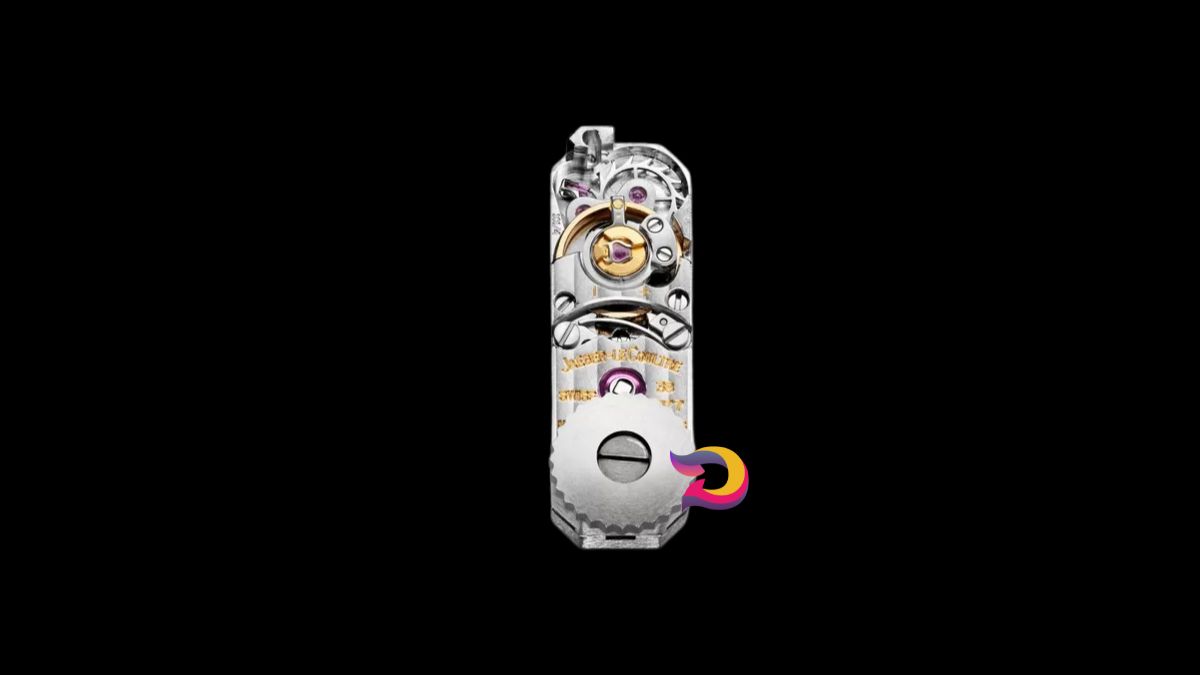
The Jaeger‑LeCoultre Calibre 101 is one of the most extraordinary achievements in watchmaking history. Introduced in 1929 and still produced today, it remains the smallest mechanical watch movement ever made, a masterpiece of miniaturization, craftsmanship, and haute horlogerie. Designed primarily for high-jewelry timepieces, Calibre 101 represents the perfect fusion of mechanical engineering and jewelry artistry.
Overview
When the Calibre 101 was unveiled in 1929, it revolutionized watchmaking. At a time when watchmakers were striving to miniaturize movements for elegant jewelry watches, Jaeger-LeCoultre achieved the impossible: a fully functional mechanical movement small enough to fit inside delicate bracelets and even ring watches.
Despite its microscopic size, the movement is entirely mechanical, hand-wound, and assembled by a select group of highly skilled watchmakers. Due to its complexity and tiny components, only around 50 movements are produced each year, making it exceptionally rare and exclusive.
The Calibre 101 is also historically significant—famously worn by Queen Elizabeth II at her coronation in 1953 in a diamond bracelet watch.
Technical Specifications
| Specification | Details |
|---|---|
| Manufacturer | Jaeger-LeCoultre |
| Calibre | 101 (also known as Calibre 2 Ligne) |
| Movement Type | Manual-winding |
| Components | 98 parts |
| Jewels | 19 |
| Frequency | 21,600 vph |
| Power Reserve | ~33 hours |
| Dimensions | 14 mm × 4.8 mm × 3.4 mm |
| Weight | ~1 gram |
| Functions | Hours, Minutes |
| Production | 1929 – Present |
| Versions | Calibre 101/4, 101/4SQ |
Calibre 101 Description
The Calibre 101 is a true marvel of micro-engineering. Measuring just 14 mm long and weighing around one gram, it is smaller than many modern electronic components, yet contains nearly 100 mechanical parts working in perfect harmony.
Miniaturization Masterpiece
The movement evolved from Jaeger-LeCoultre’s earlier Duoplan concept, which stacked components on two levels to reduce size while maintaining accuracy. This architecture enabled the brand to create ultra-small movements without sacrificing reliability.
Handcrafted Precision
Every component is extraordinarily tiny and requires manual finishing and assembly. Only a handful of watchmakers are trained to work at this microscopic scale, which explains the extremely limited annual production.
Designed for Jewelry Watches
Unlike most movements designed for traditional wristwatches, Calibre 101 was created specifically for high-jewelry timepieces. The crown is often placed on the caseback to preserve the elegance and uninterrupted lines of the watch, allowing the movement to be hidden within diamond bracelets and sculptural designs.
Enduring Legacy
Nearly a century after its creation, Calibre 101 remains in continuous production—an extraordinary feat that highlights Jaeger-LeCoultre’s mastery of mechanical miniaturization and heritage watchmaking.
Watches Using Jaeger-LeCoultre Calibre 101
Because of its tiny size and specialized purpose, Calibre 101 is used primarily in high-jewelry and artistic timepieces, often produced in small numbers or as unique pieces.
Core Models
- Jaeger-LeCoultre Joaillerie 101 Résille
- Jaeger-LeCoultre Joaillerie 101 Feuille
- Jaeger-LeCoultre Grande Reverso 101 Art Déco
Notable Calibre 101 Jewellery Pieces
- Joaillerie 101 Reine
- 101 Snowdrop
- 101 Bangle (Pink Gold / White Gold)
- 101 Secrets High Jewellery
Historical & Special Mentions
- Queen Elizabeth II Coronation Bracelet Watch (1953)
Many Calibre 101 watches are unique or semi-custom creations, meaning variations in bracelet design, diamond setting, and case shape are common, further enhancing their rarity and collectible status.
Why Calibre 101 Matters
1. World’s Smallest Mechanical Movement
Still unmatched in size since 1929.
2. Nearly 100 Years of Continuous Production
A rare example of a movement surviving across generations.
3. Masterpiece of Haute Horlogerie & Jewellery
Bridges fine watchmaking and high jewelry artistry.
4. Extremely Limited Production
Only a few dozen made annually.
5. Historical Significance
Associated with royalty and iconic high-jewelry watches.
Conclusion
The Jaeger-LeCoultre Calibre 101 is not just a watch movement—it is a symbol of human ingenuity and precision engineering at the smallest possible scale. Nearly a century after its debut, it continues to represent the pinnacle of miniaturization, craftsmanship, and artistic watchmaking.
For collectors, historians, and enthusiasts, Calibre 101 stands as one of the most remarkable mechanical achievements ever created—proof that true greatness can come in the smallest form.