

Editorial
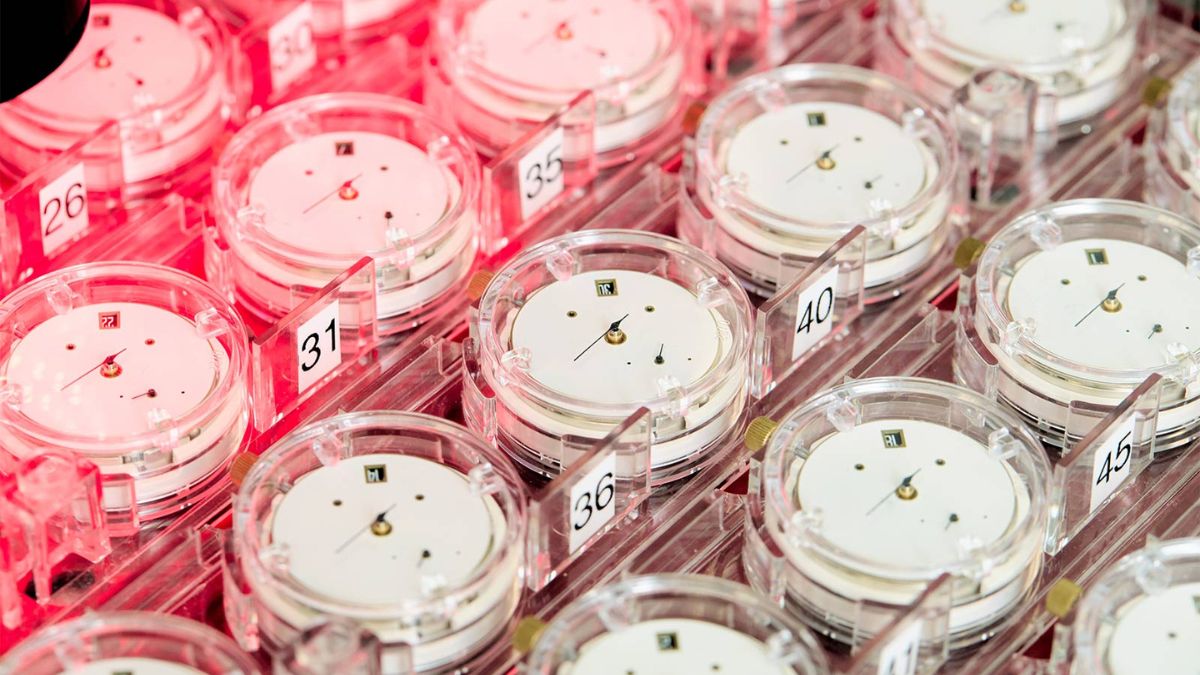
Marking the 50th anniversary of the ISO 3159 standard, the Contrôle Officiel Suisse des Chronomètres (COSC) has unveiled a major advancement in Swiss chronometry.
Beginning in late 2026, the organization will launch a new, more demanding tier of certification known as the COSC Excellence Chronometer, setting an even higher benchmark for precision and performance.
This new standard builds upon, rather than replaces, the traditional chronometer certification.
It is designed to meet contemporary environmental challenges—such as widespread magnetic exposure and longer power reserves—while shifting evaluation from movement-only testing to assessment of the fully assembled watch.

Under the new 2026 framework, Contrôle Officiel Suisse des Chronomètres (COSC) will introduce a two-tier performance hierarchy. Both certification levels will remain fully independent and require 100% individual testing, with no sampling involved.
| Feature | Certified Chronometer (Standard) | Excellence Chronometer (New) |
|---|---|---|
| Testing Subject | Uncased Movement | Fully Assembled Watch |
| Base Standard | ISO 3159 | ISO 3159 + Additional Criteria |
| Duration | 15 Days | 15 Days (Movement) + 5 Days (Watch) |
| Daily Rate Tolerance | -4 to +6 seconds | -2 to +4 seconds |
| Magnetic Resistance | Not tested | Up to 200 Gauss |
| Power Reserve | Not verified | Verified against stated specs |
| Testing Condition | Static (5 positions) | Semi-dynamic (simulated wear) |
The “Excellence” certification follows a dual-phase methodology.
First, the movement must successfully complete the traditional 15-day ISO 3159 testing protocol—conducted in five positions and across three different temperatures—to obtain the initial “Certified Chronometer” designation.

Once the movement is returned to the manufacturer and fully cased, the completed watch is sent back to Contrôle Officiel Suisse des Chronomètres (COSC) for a further five-day assessment. This second phase employs robotic systems to replicate 24 hours of typical wrist wear.
Throughout this period, the watch must meet a stricter average daily rate tolerance of -2/+4 seconds.

Following the precision evaluation, the watch is subjected to a 200-Gauss magnetic field—simulating everyday exposure to electronic devices such as smartphones and tablets—after which its power reserve is verified to confirm compliance with the manufacturer’s stated specifications.

The transition to this new standard began in early 2026 with the adoption of advanced measurement technologies across the facilities of Contrôle Officiel Suisse des Chronomètres (COSC).
After initial pilot trials conducted in March, the official global presentation is set for the Watches and Wonders 2026 “LAB” exhibition in April.
Industry observers anticipate that the first watches carrying this new certification will arrive at retailers by October 2026.

This development offers watch brands a unified, independent benchmark to complement — and in some cases rival — proprietary in-house “superlative” standards, further strengthening the neutral authority of Contrôle Officiel Suisse des Chronomètres (COSC) within the Swiss watchmaking landscape. cosc.swiss