

Editorial
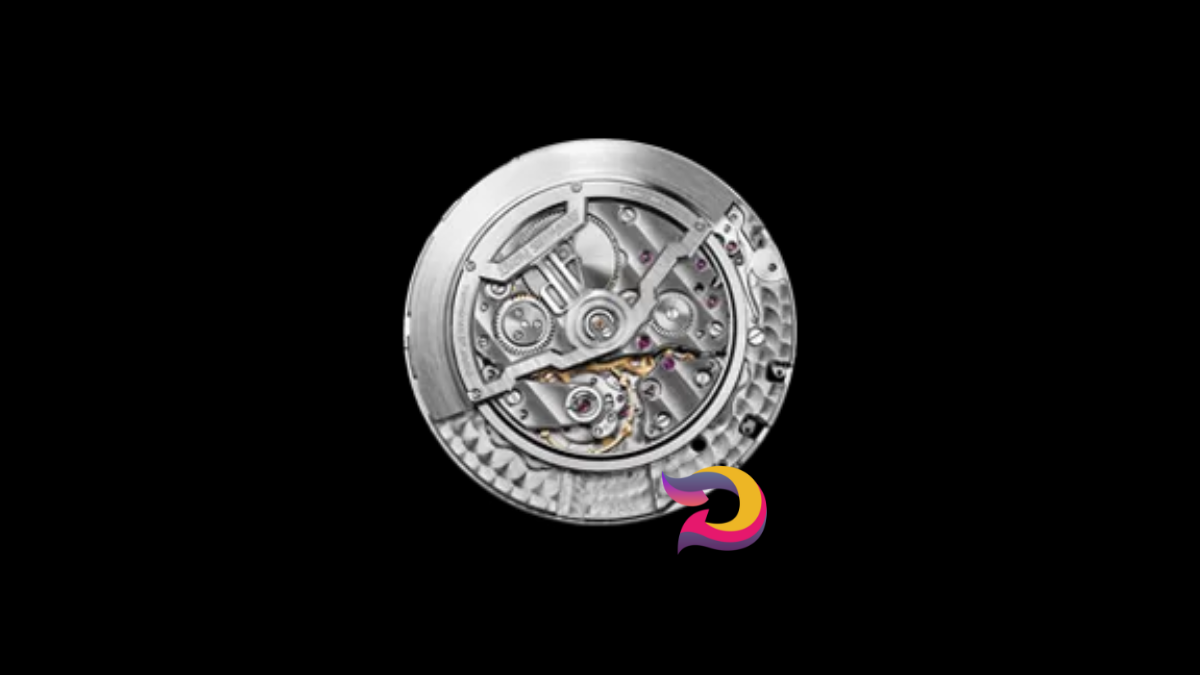
Audemars Piguet Caliber 5133: The Automatic Chronograph Workhorse
The Audemars Piguet Caliber 5133 is a significant automatic chronograph movement that powered some of AP’s most iconic sports watches in the late 1990s and early 2000s. Understanding this movement is key for collectors and enthusiasts of vintage and neo-vintage Audemars Piguet timepieces.
Overview and Key Specifications (Table Format)
Here’s a quick-reference data table for the Caliber 5133:
| Feature | Specification |
|---|---|
| Type | Self-winding (automatic) mechanical movement |
| Function | Chronograph with hours, minutes, small seconds, and date |
| Diameter | 29.92 mm (13¼ lignes) |
| Jewels | 36 jewels |
| Power Reserve | Approximately 40 hours |
| Frequency | 21,600 vibrations per hour (3 Hz) |
| Calendar | Instantaneous date change at midnight |
| Finishing | Features Côtes de Genève (Geneva stripes), perlage, and bevelled bridges. |
Historical Context and Development
The Caliber 5133 was introduced in the late 1990s. It’s widely understood to be based on the Frederic Piguet Caliber 1185, a legendary ultra-thin, column-wheel chronograph movement renowned for its robustness and quality. Audemars Piguet modified and finished it to its own stringent standards.
- Why it matters: The use of a high-grade base movement like the F. Piguet 1185 placed the Cal. 5133 among the elite automatic chronographs of its era, competing directly with movements from Zenith and Rolex.
Famous Watches Featuring the Caliber 5133
This movement is found in several highly sought-after Audemars Piguet models:
- Audemars Piguet Royal Oak Chronograph (Ref. 25860, 25960, 26060): The most famous host. It powered the 39mm “Jumbo” RO chronographs, giving them a slimmer profile than many contemporaries.
- Audemars Piguet Royal Oak Offshore Chronograph (Early Models): Some references of the iconic Offshore, like certain Ref. 25770 models, used the Cal. 5133 before transitioning to in-house calibers.
- Audemars Piguet Jules Audemars Chronograph: Featured in several classic round-cased chronographs from the collection.
Is the Caliber 5133 a Good Movement?
Pros:
- Horological Pedigree: Based on the excellent F. Piguet 1185.
- Reliability: Known as a robust and dependable chronograph architecture.
- Thin Profile: Allowed for slimmer, more wearable sports watches.
- Finishing: Audemars Piguet’s decoration is typically exceptional, with visible Geneva stripes and polished edges.
Cons (from a modern perspective):
- Lower Frequency: At 21,600 vph, it is less precise in timekeeping adjustment than modern 4 Hz (28,800 vph) or 5 Hz (36,000 vph) movements.
- Power Reserve: ~40 hours is now considered standard, but not exceptional.
- Serviceability: As a movement no longer in production, servicing requires expertise with older components.
Caliber 5133 vs. Modern AP Movements
Audemars Piguet has since moved to fully in-house chronograph movements, like the Caliber 4401 found in the latest Royal Oak Chronographs.
- Cal. 5133: Renowned, externally-sourced base, 40h power reserve, 3 Hz.
- Cal. 4401 (Modern): Fully in-house, integrated column-wheel flyback, 70h power reserve, 4 Hz, and a jumping seconds hand for the chrono. This represents the current pinnacle of AP’s chronograph technology.
H2: FAQ for Audemars Piguet Caliber 5133
Q: Is the AP Caliber 5133 a Frederic Piguet movement?
A: Yes, it is based on and developed from the Frédéric Piguet Caliber 1185, heavily modified and finished by Audemars Piguet.
Q: What is the service interval for a Caliber 5133?
A: Like all fine mechanical movements, it should be serviced approximately every 5-7 years for optimal performance and longevity.
Q: Are watches with the Caliber 5133 a good investment?
A: While movements are one factor, the model and condition are paramount. Early Royal Oak Chronographs with the Cal. 5133 are highly collectible due to their place in AP’s history and their classic proportions.
Conclusion
The Audemars Piguet Caliber 5133 represents a pivotal chapter in AP’s history—leveraging one of the best external chronograph movements available to build some of their most iconic sports watches. For collectors, a watch housing the Cal. 5133 offers a blend of historical significance, proven reliability, and the distinctive aesthetics of a late-20th-century haute horlogerie chronograph.