Time, they say, is a currency we can never save or spend twice. In a world where every second counts, the watch on your wrist becomes more than a mere accessory; it’s your personal timekeeper, a testament to precision craftsmanship, and an emblem of your style. But did you know that the history of timekeeping devices is as fascinating as the intricate mechanisms that power them? It’s a tale that spans centuries, intertwining with humanity’s quest for precision and the ever-evolving art of horology.
Imagine this: centuries ago, ancient civilizations marked the passage of time with sundials, relying on the sun’s graceful arc across the sky. Fast forward to the 16th century, and the pendulum clock transformed how people measured time, ushering in an era of unparalleled accuracy. By the 18th century, pocket watches, adorned with intricate engravings and powered by mechanical wizardry, became the cherished companions of the well-heeled elite.
In this beginner’s guide, we’ll embark on a horological journey, exploring the art, science, and sheer elegance of timekeeping devices. Whether you’re just starting your collection or simply seeking to appreciate the world of watchmaking, our guide will decode the mystery behind the dials and movements, equipping you with the knowledge to make informed choices in this timeless realm. And the journey doesn’t stop here — this article is just the beginning of a 12-part series that will delve deeper into the captivating world of watches, from styles and history to collecting and care. So, wind your watches and prepare to immerse yourself in a world of horological wonders, as our adventure unfolds across the sands of ancient timekeeping to the intricate gears of the modern wristwatch.
Introduction to Types of Watches
- Categorizing Watches by Movements:
Watches are often classified based on their internal mechanisms, which dictate how they keep time. Here are the key categories:
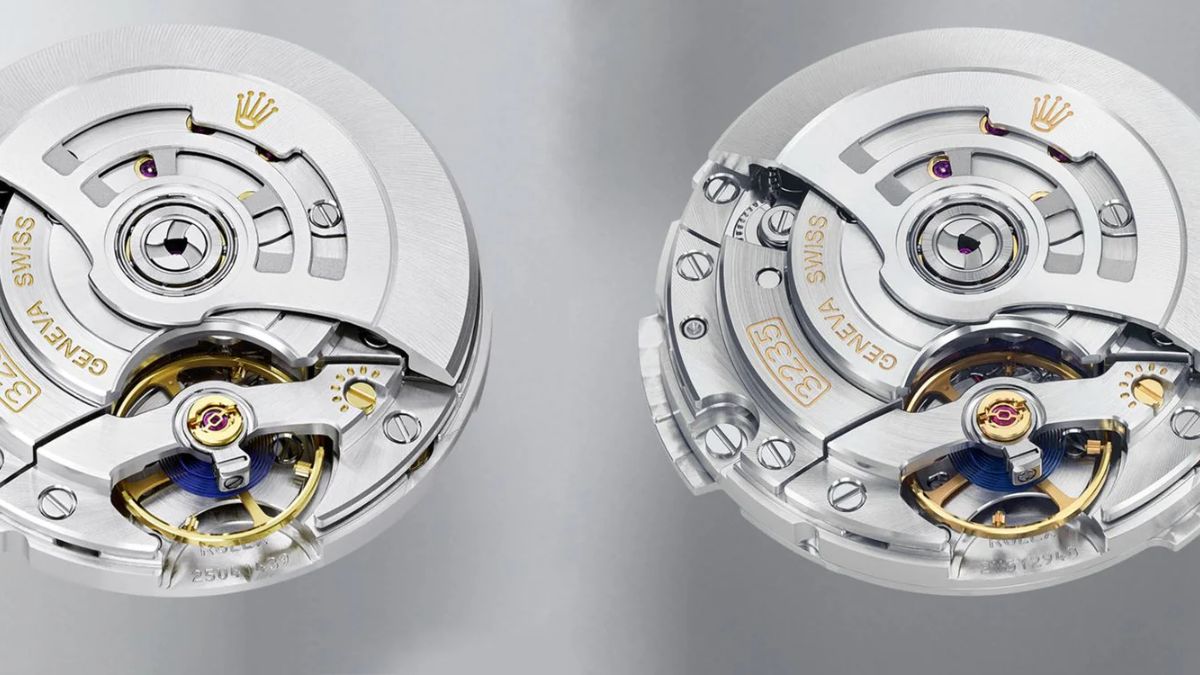
- Mechanical Watches: These timepieces are a masterpiece of traditional watchmaking. They rely on a complex system of gears and springs to keep time. The mesmerizing, rhythmic ticking of a mechanical watch is a hallmark of craftsmanship.

Inner moving parts of a mechanical watch
- Quartz Watches: These are known for their precision and low maintenance. Quartz watches use a battery to send an electric current through a quartz crystal, which oscillates at a consistent frequency, ensuring highly accurate timekeeping.
Comparison between a mechanical and quartz watch (Source:RMRS)
- Self-Winding Mechanical (Automatic) Watches: Automatic watches are a blend of tradition and convenience. They feature a rotor that harnesses your wrist’s motion to wind the mainspring. This means no batteries or manual winding are needed. The subtle dance of gears in these watches is a joy to behold.
Automatic watch with a see-through case back (Source: DWC)
- Chronometer Watches: These watches are highly accurate mechanical timepieces that have been tested and certified for their precision. They often come with an official chronometer certification, indicating their exceptional timekeeping abilities.
The Omega Master Chronometer 8800 movement (Source:Omega Watches)
- Kinetic Watches: Kinetic watches are a fusion of traditional mechanics and modern technology. They contain a quartz movement powered by a kinetic energy storage unit, which is charged by the motion of your wrist. They offer the accuracy of quartz with the appeal of a sweeping seconds hand.
Different components of a Seiko Kinetic watch and the Seiko Hattori 5M43 movement (Source: Seiko)
- Solar-Powered Watches: Solar-powered watches are eco-friendly and low-maintenance. They have a quartz movement but are equipped with solar cells that convert light into electrical energy, which is used to power the watch and recharge its battery.
The Miyota 2170 solar quartz movement (Source: Miyota)
- Spring Drive Watches: Spring drive watches are a unique creation by Seiko, combining elements of mechanical and quartz movements. They use a mainspring, like mechanical watches, but incorporate a quartz regulator for unrivaled accuracy. The second hand glides smoothly, offering a visually captivating experience.
9R Spring drive mechanism of Grand Seiko (Source: Grand Seiko)
- Categorizing Watches by Display:
The way a watch presents the time can also be a defining characteristic. Here are some interesting display types:
- Analog Watches: These are the classics, with traditional hour and minute hands that gracefully circle the dial. The second hand sweeps smoothly around the face, reflecting the mechanical heartbeat within.
A classic analog watch by Braun (Source: Braun)
- Digital Watches: Known for their easy-to-read numerical displays, digital watches provide precise time at a glance. They’re often favored for their simplicity and practicality.
A Casio G-Shock GWM5610–1 digital watch (Source: Casio)
- Hybrid Watches: These watches merge the traditional elegance of analog hands with digital features, such as notifications or fitness tracking and digital stopwatches, world time and others. They offer the best of both worlds.
The Casio G-Shock Analog+Digital Watch and Skagen Hybrid smartwatch (Source: Casio & Wareable)
- Tactile Watches: These watches are designed for the visually impaired. Instead of relying on sight, they allow users to feel the hands’ positions to discern the time. Braille watches are a notable example, showcasing how watchmaking can enhance accessibility.
Braille watch by Titan (Source: Titan)
- Touch Screen Watches: The modern era has brought us touchscreen watches, which provide a range of features at your fingertips. These smartwatches allow you to access apps, messages, and more right on your wrist.
The Apple Watch Series 9 (Source: Apple)
- Categorizing Watches on the Basis of Functions and Design:
Watches come in a wide array of styles and designs, each tailored to specific functions or aesthetics. Here are some popular categories to consider:
- Pilot Watches: Pilot watches, also known as aviator watches, are designed with the needs of pilots in mind. They typically feature large, legible dials, often with oversized crowns, and may include additional features like slide rules for navigation.
The Hamilton Khaki Pilot Pioneer watch (Source: Hamilton)
- Dress Watches: Dress watches are known for their elegant and minimalist design. They are typically thin, have a simple, uncluttered dial, and are often adorned with precious metals and fine leather bands. They are the perfect complement to formal attire.
The Longines Flagship Heritage watch (Source: Longines)
- Dive Watches: Dive watches are built to withstand underwater adventures. They are water-resistant, with features like a unidirectional rotating bezel for tracking elapsed time and highly luminescent markers for easy reading in low-light underwater conditions.
The Omega Seamaster Professional (Source: Omega)
- Military or Field Watches: These watches are rugged and built for durability. They often have a clear and legible dial with luminous hands and numerals. Military watches may also incorporate features like a compass or a built-in paracord.
The Seiko Prospex “Alpinist” watch
- Racing or Driving Watches: Racing watches, also known as driving watches, often feature chronograph functions for measuring elapsed time. They have a sporty and dynamic design, reflecting the excitement of the racetrack.
The Tag Heuer Autavia watch (Source: Petrolicious)
- Skeleton Watches: Skeleton watches are a showcase of watchmaking craftsmanship. They feature an open design that exposes the intricate mechanical movements, providing a mesmerizing view of the gears and springs in action.
The HMT Skeleton Watch (Source: Wikipedia)
- GMT Watches: GMT watches are designed for travelers and pilots who need to track multiple time zones. They include a GMT hand that can be set to a second time zone, allowing you to keep tabs on two different times simultaneously.
The Rolex Oyster Perpetual Date — GMT Master II (Source: Rolex Forums)