Social

Editorial
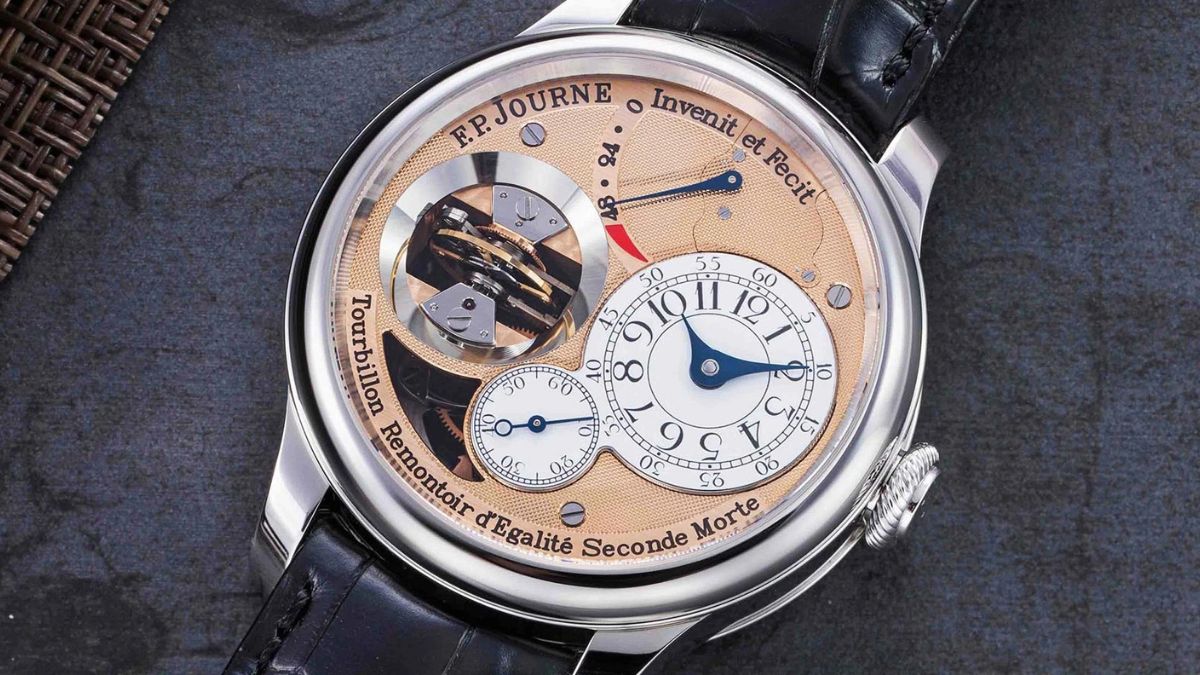
If you’re just beginning your journey into the world of luxury watches, the term haute horlogerie may sound unfamiliar—though you’ve likely encountered it before. Translated loosely, it means “the high art of watchmaking,” a phrase that hints at its significance while leaving its true meaning intriguingly undefined. For a small circle of devoted and exceptionally skilled watchmakers, artisans, designers, and collectors, haute horlogerie is not merely a label but a way of life.
So what does it really mean? Before venturing further, it’s important to note that there is no single, universally accepted definition of haute horlogerie. The term emerged in the 1970s, in the aftermath of the quartz crisis, as a way to differentiate highly complex mechanical timepieces from mass-produced quartz watches. At its core, haute horlogerie emphasized uncompromising quality, technical complexity, and the mastery of traditional watchmaking crafts.
While these principles have remained largely unchanged over the past four decades, one thing certainly has evolved: the number of brands now claiming to belong to this rarefied realm of watchmaking excellence.
Haute Horlogerie: It’s complicated…
How can you tell whether a watch truly belongs to the realm of haute horlogerie? The first—and most obvious—place to look is the movement, along with the complications it contains. Complications, as you may know, are functions that go beyond the simple display of hours, minutes, and seconds. Whether a watch is manually wound or automatic is largely irrelevant here. A chronograph, for instance, qualifies as a complication, as do world time and GMT functions.
That said, not all complications are created equal. Some are relatively straightforward to produce, while others demand an exceptional level of technical expertise and craftsmanship. It is these more intricate and challenging mechanisms that define haute horlogerie and deserve closer attention. While it would be impossible to cover every complication in a single article, several key categories are worth understanding.
These include acoustic complications—such as alarm functions, minute repeaters, and striking mechanisms; astronomical complications, including perpetual calendars, the equation of time, and sidereal time; and advanced timekeeping complications, such as rattrapante chronographs or jumping seconds. Tourbillons are also frequently found in haute horlogerie timepieces, although purists often argue that, despite their complexity, they should not be considered complications in the strictest sense.
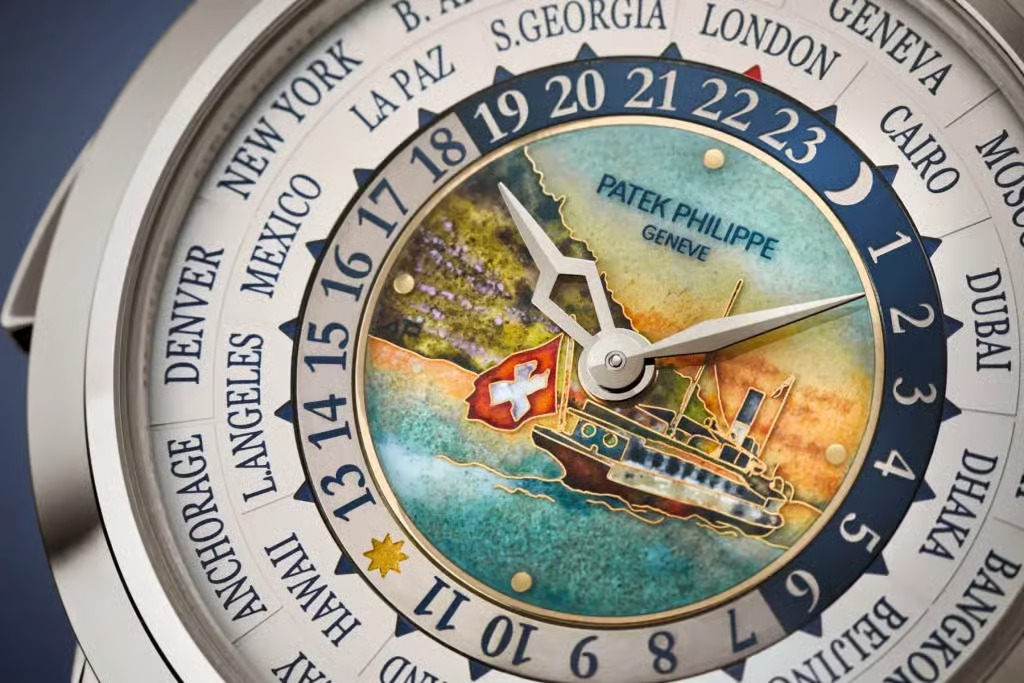
It’s important to understand that the presence of a single complication, no matter how impressive, does not automatically qualify a watch as haute horlogerie. More often than not, true mastery is demonstrated through the integration of multiple high-level complications within a single timepiece.
The clearest expression of this philosophy is the Grand Complication. Traditionally, a grand complication combines the three most significant categories of watchmaking complexity—calendar, timekeeping, and chiming functions—within one movement. Mastering even one of these disciplines can occupy a watchmaker for years, especially when developed entirely in-house from the ground up. Bringing all three together demands an extraordinary depth of knowledge, experience, and technical skill.
This level of craftsmanship represents the pinnacle of mechanical watchmaking and is reserved for only a handful of artisans. Any watchmaker capable of creating a true grand complication earns a place among the elite of haute horlogerie.
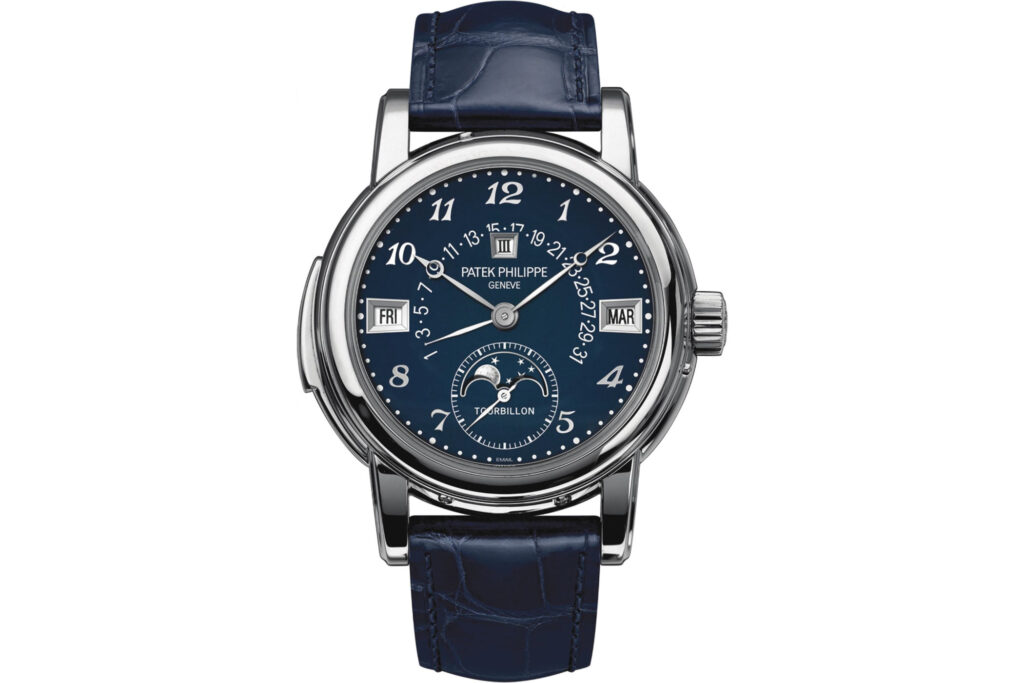
Three legendary manufacturers are traditionally regarded as the “holy trinity” of watchmaking: Patek Philippe, Vacheron Constantin, and Audemars Piguet. In recent years, however, the watchmaking world has increasingly debated whether this prestigious title should be expanded to include the German haute horlogerie manufacture A. Lange & Söhne. Despite originating from Glashütte—a Saxon town without the same centuries-old Swiss heritage—the brand’s exceptional technical mastery and finishing have led many to consider it a rightful peer among watchmaking’s most revered names.
… and beautiful!
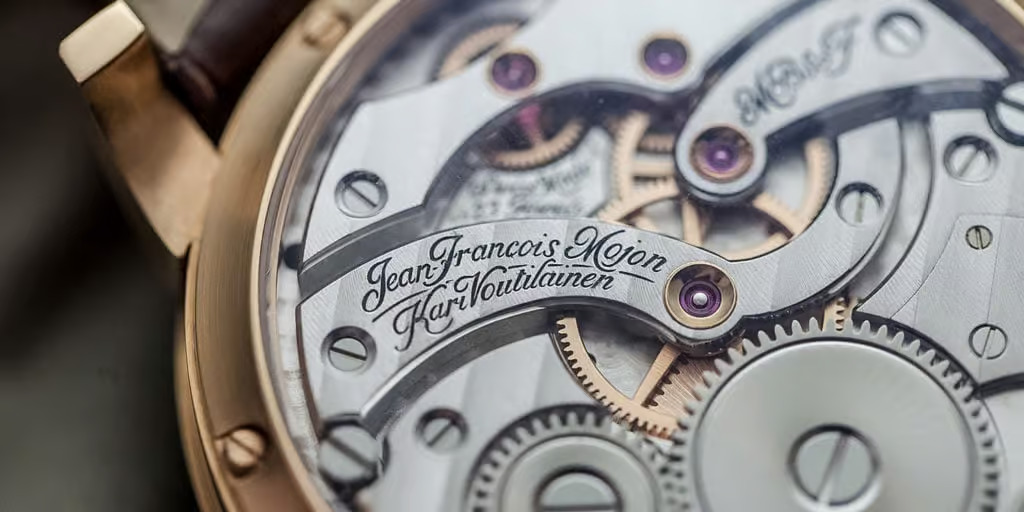
Haute horlogerie extends far beyond the technical complexity of a movement. Equally—if not more—important is the level of finishing applied to both the caliber and the case. Known as finissage, this process encompasses a wide range of techniques used to transform machine-produced components into works of art by eliminating all visible traces of industrial manufacturing.
Each part is meticulously polished, decorated, and refined with extraordinary care before being assembled into a cohesive whole. Some finishing methods date back centuries and have been passed down through generations of watchmakers, while others are more modern innovations or refinements—yet no less impressive in their execution. While it’s impossible to explore every technique in detail here, a few key ones worth recognizing include chamfering, Geneva stripes, perlage, black polishing, and, of course, engraving.
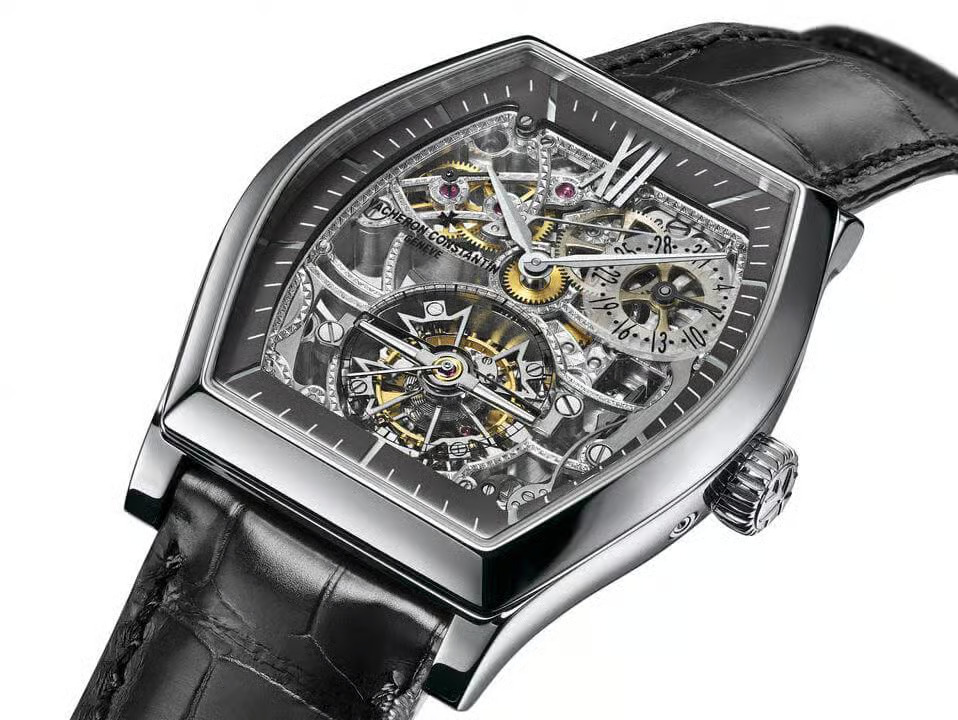
A spectacular example of these finishing techniques executed at the very highest level is the Vacheron Constantin Malte Tourbillon Openworked. For this remarkable timepiece, the storied Swiss manufacture developed the tonneau-shaped Caliber 2790 SQ entirely from the ground up. Like master sculptors, Vacheron Constantin’s artisans meticulously carved away at the movement, devoting more than 500 hours to create the breathtaking skeletonized architecture.
Measuring just 6.10 mm in thickness, the movement comprises 246 components, each individually hand-finished and adorned with multiple traditional decorative techniques. This extraordinary level of craftsmanship earned the watch the prestigious Geneva Seal—an exclusive certification that attests to strict adherence to the highest standards of Genevan watchmaking and is regarded as one of the most esteemed distinctions in mechanical horology.
Completing the visual drama is a large tourbillon dominating the lower half of the dial, beating at a leisurely 2.5 Hz, allowing its hypnotic motion to be fully appreciated. Haute horlogerie will always remain, to some extent, an elusive and interpretive concept. Nevertheless, with this foundation of knowledge, you should now have a clearer understanding of what defines it—and why even impeccably made watches from brands like Rolex, despite their exceptional quality, are generally not considered true haute horlogerie.
Related posts
Inside the Patek Philippe Celestial 6105G
Among the many remarkable releases unvei...
Zenith Release G.F.J. Calibre 135 Double Signed with Naoya Hida & Co.
One of the most significant aspects of Z...

爱彼联手Yoon、Verbal创作38.5mm皇家橡树概念时计限量款/AP Royal Oak Concept
爱彼Audemars Piguet携手时尚品牌AMBUSH创办人Yoon与Ver...

New Release: The Audemars Piguet X Swatch Royal Pop Aims To Capitalize On Hype Culture
When rumors first began circulating abou...
New Release: Patek Philippe Celebrates 50 Years of the Nautilus With Four Limited -Edition Watches
Fifty years is a long time for any desig...

New Release: Cartier Santos-Dumont Watches In Yellow Gold and Platinum
In 1904, Louis Cartier created a watch f...

New Release: The Rolex Oyster Perpetual Jubilee Dial Watches Revive A Favorite 1970s Design
Among its Watches and Wonders Geneva 202...

New Release: The Rolex Oyster Perpetual 41 ‘Oyster 100’ Ref. 13403 Tastefully Celebrates A Century Of Oysters
Watches and Wonders Geneva 2026 has arri...

New Release: Rolesium Rolex Daytona 126502 With Enamel Dial
Under a new “Exceptional Creations” umbr...
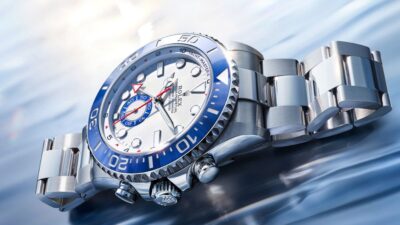
New Release: Rolex Yacht-Master II Watch Returns
After its quiet discontinuation in 2024,...

New Release: Rolex Datejust 41 White Rolesor Green Lacquer Ombre Dial Watch
The Rolex Datejust celebrates its 81st y...
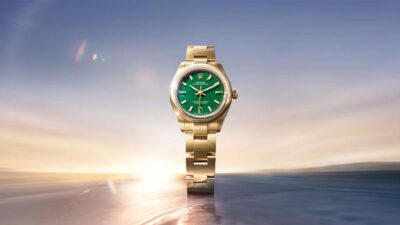
New Release: Rolex Oyster Perpetual 28 & 34 With Stone Laquer Dials
As part of its Watches and Wonders Genev...